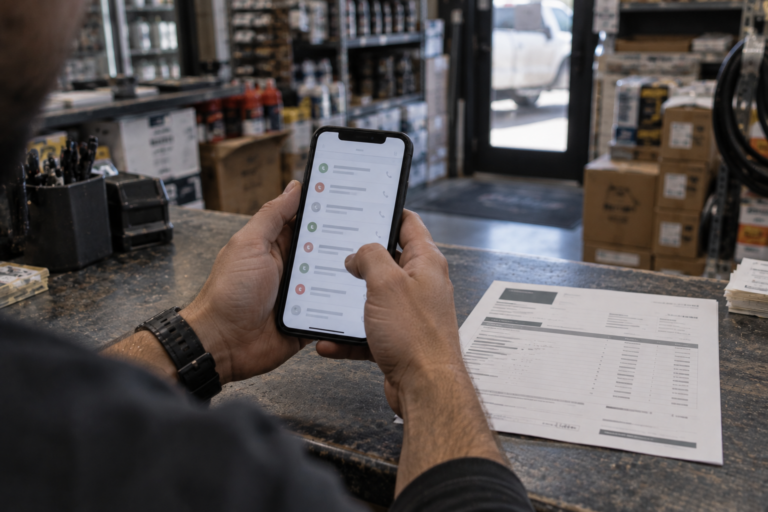
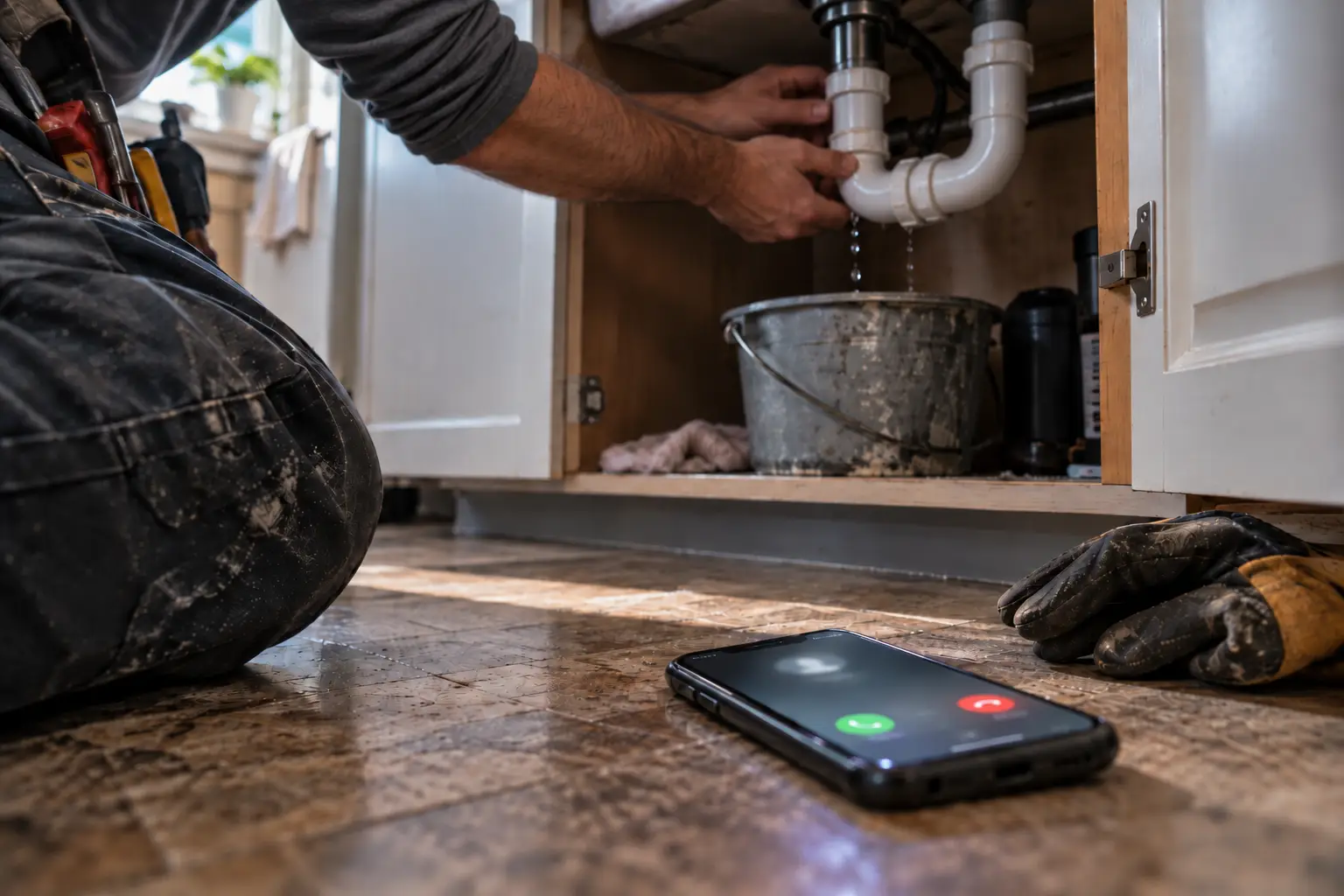
You’re under a sink with both hands wet. The phone rings. It goes to voicemail, they don’t leave one, and you never think about it again.
From October 1, that call costs you money.
Google is changing how Local Services Ads bills phone leads. A call that comes in during your business hours and stays on the line longer than 20 seconds can be charged as a valid lead, whether or not anyone picks up. The old logic was that you paid for a lead. The new logic is that you pay for an opportunity, and what you did with it is your problem.
What actually changes
Three things.
A missed call during business hours becomes billable once the caller has been on the line past 20 seconds, assuming it otherwise meets the criteria for a valid lead.
Follow-up calls can also be billed. If the first call doesn’t qualify, a later call between you and that same person can be charged if it meets the criteria.
Google says it’s adding safeguards against robocalls and spam abuse, though it hasn’t published how those work.
Google’s stated reasoning is that customers expect a response, and the change rewards businesses that answer. Read it plainly: it’s now cheaper to be reachable than to be busy.
The 20 second timer, and the one thing that stops it
Twenty seconds is roughly four or five rings. That is not long. It’s the length of a walk from the truck to the front door.
There’s one exception worth understanding, because it’s the only real lever you have. If your phone system makes callers press a key to reach a department, the timer doesn’t start until they press it. And if the caller never presses anything, you don’t get charged.
So a phone menu is no longer just an annoyance to your customers. It’s a billing control.
That doesn’t mean everyone should add one. A menu costs you real callers, because some people hang up rather than press 2. But if you’re routing calls to several people, or getting a lot of junk, it changes the math in a way it didn’t before.
Want a second opinion on this?
Book a free consultationWhen you’re charged for something that wasn’t a lead
This is the part most people won’t know until it bites them, and it changed before this announcement.
Manual lead disputes are gone. Google now handles credits automatically. Machine learning models assess leads, and the documentation says leads determined to be invalid or low quality aren’t charged. Charged leads get reassessed over time and may be credited automatically if the model later decides they were low quality.
In most cases credits land on your account balance within 30 days. The original charge stays visible on the invoice.
So the honest version is this: you can’t call someone and argue about a bad lead. You can leave feedback on it, and you wait for a model to agree with you.
There are also exclusions. Automated credits aren’t available for health care verticals, tax specialists, advertisers in Europe and the Middle East, or leads already marked as a job type or area you don’t service. If you’re in a health-related category, it’s worth confirming where you sit before October, because the credit path that softens this change may not apply to you.
What to do before October 1
Four things, and none of them take an afternoon.
Find out how your calls are actually routed right now. Not how you think they’re routed. Call your own number from a phone Google doesn’t know and time how long it rings before anything happens.
Decide whether a keypress menu belongs in front of your line. If you’re a solo operator taking every call yourself, probably not. If calls fan out to a few people, or you’re fielding a lot of noise, it’s now doing two jobs.
Put something behind the phone for the hours you can’t answer. An answering service, a second number, a person who picks up when you’re on a roof. Anything that turns a missed call into a conversation.
Watch your lead credits through October. You’ll want to know what share of these new charges get credited back before you judge whether the channel still works. If your cost per lead moves and you can’t explain it, that’s the thing to look at first.
Worth saying plainly: if the phone is how your business gets work, this is a change in what it costs to be unreachable, not just a billing tweak. The wider version of that problem, where leads arrive and nothing happens to them, is covered in our post on high-ROI tactics for service businesses. And if you’re also sending paid traffic to your site, the page those callers land on should make calling the obvious next step, which is the argument in why minimalist, conversion-focused design wins.
If Local Services Ads is most of how your phone rings, the next two weeks are worth spending on your call routing rather than finding out in an October invoice. If you’d rather someone looked at it with you, that’s worth a conversation.
Frequently asked questions
Will I be charged for a call I miss outside business hours?
The change is specific to missed calls during your business hours. Make sure the hours on your profile are actually the hours you answer the phone.
What if the caller hangs up at 15 seconds?
The threshold is more than 20 seconds on the line. Shorter than that and it doesn’t meet the bar.
Can I dispute a charge for a call I never answered?
Not in the old sense. Manual disputes were replaced by automated credits. Google’s models reassess charged leads and may credit them, usually within 30 days, and the original charge stays on your invoice.
Does a phone menu really stop the charge?
It delays the timer. With keypress routing, the clock doesn’t start until the customer presses a key, and there’s no charge if they never press one.